Deaf Football on the rise across NSW
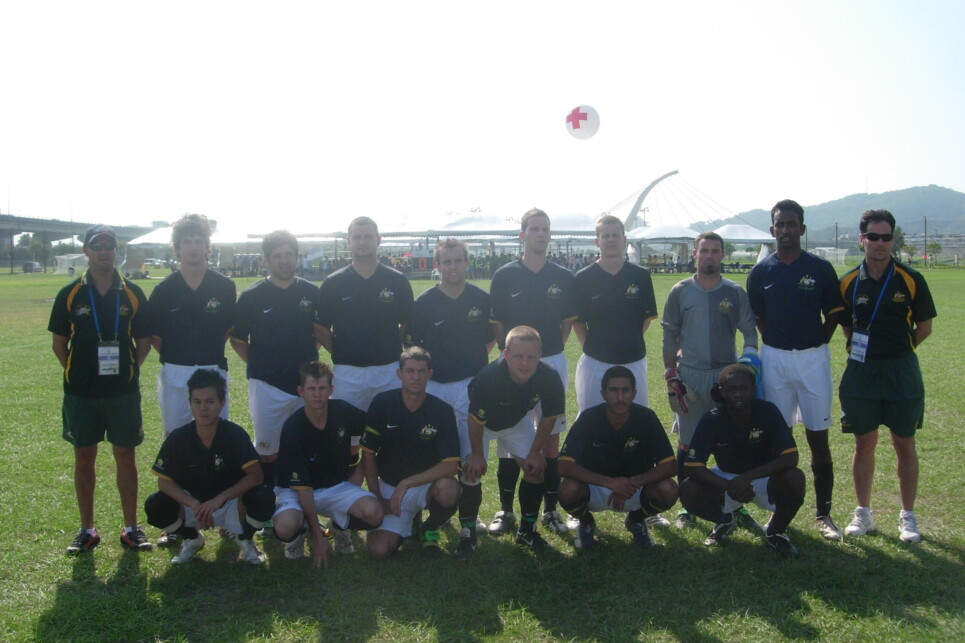
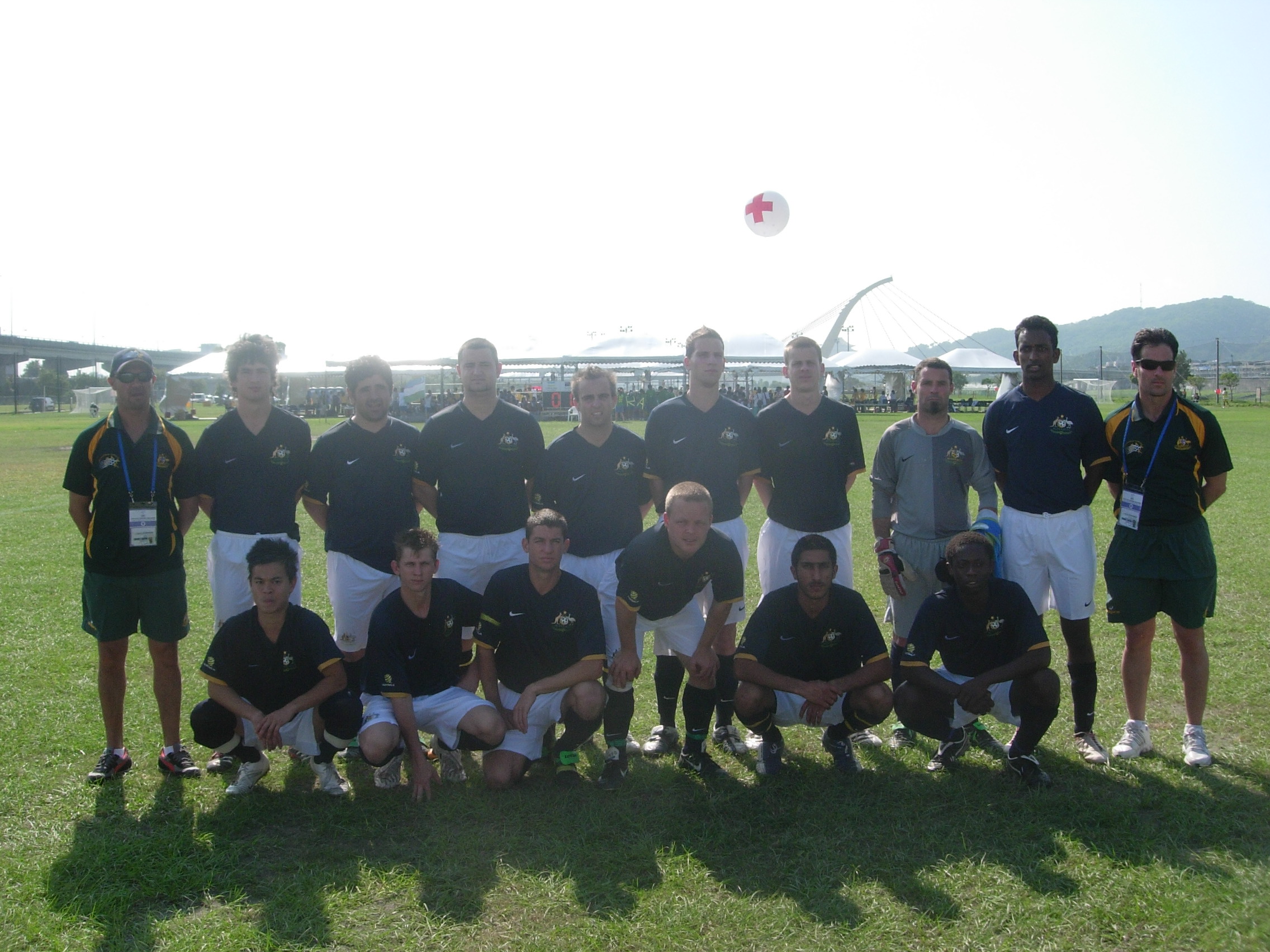
The tournament, played between Victoria, New South Wales City, New South Wales Country, Queensland and the Northern Territory runs from the 11th – 13th April and will be played at Baulkham Hills, Ted Horwood Reserve. There, players will deliver the very best deaf football has to offer with every participant looking to seal their spot in the Australian national team.
The two NSW squads had the opportunity to make an early impression on Australian coach Abbas Saad when they came face to face at Pluim Park, Lisarow, on the 28th February.
?It was a good chance to see some players before the tournament and excellent to see over 400 spectators show up to give their support to the boys? said Saad.
The game was the second of a two leg battle between the sides and finished 3-3 with NSW Country winning 4-3 on aggregate thanks to a 1-0 victory over their urban counterparts in the first leg. The game produced some exciting flair with coach Saad saying he was pleased with the performance.
?The game proved to be very good and I definitely saw some positive aspects , with some players really showing they are serious about getting into the green and gold outfit.?
?At the moment I have a base of players for the Australian squad, but I will rely on a few others who perform well during the Southern Cross Shield to complete the Australian squad.?
The problem for Saad as well as all of Deaf Football across Australia is that it continues to fall short when compared to many other nations.
?It is hard for the players to reach the level of some other countries. Some of them train on a full time basis and are good enough to compete in leagues as strong as the NSW Telechoice Premier League.?
At the moment, the NSW teams are only able to train once a week and although Saad knows this isn?t enough, he recognizes that it is the first step along with professionalism in training that will allow deaf football to grow and develop.
?It is about giving players a pathway to grow and providing them with the opportunity to train in a professional environment.?
Talks are currently being held with the FFA with hopes from all members of Deaf Football Australia that the outcome is positive and some much needed support is given. Secretary of Deaf Football Australia, Bryan Seymour, is restless in his ambition to get the FFA?s support.
?The Australian deaf football team compete in FIFA sanctioned tournaments. If FIFA can recognize such tournaments, then we hope the FFA will support us in our task to give this area of football the respect it deserves.?
Mr. Seymour, a long time advocate of deaf football is responsible for awaking the silent game he believes lay dormant for far too long.
?In the 1980?s Australia was very competitive in the world; however up until recently, it had laid quite.?
He sees the potential for deaf football to grow in Australia and believes the talent exists; it is just a matter of nurturing it and taking it to the next level. His accolades for Mohamed Aber, 22 year old defender with three national caps to his name, is just one example to his testament that deaf football has potential. His merits for Aber were on par with encouragements he would give to any non deaf talented footballer across NSW.
?Mohamed is an exceptional player with a fantastic first touch and incredible vision who, were it not for his inability to hear, would have every chance to be playing in the Telechoice Premier League or higher.?
An average hearing loss of 55 decibels or more in a player?s best ear must be present in order t be eligible to compete in a deaf football competition, according to the international rules of Deaf Football. The use of hearing aids is prohibited during a match.
-By Caetano Lima