The Heartbeat of Sport AED Mapping Project: Football Associations Mobilise to Protect Local Clubs
The safety of players, coaches, volunteers, and spectators remains a central priority for sporting organisations across Australia.
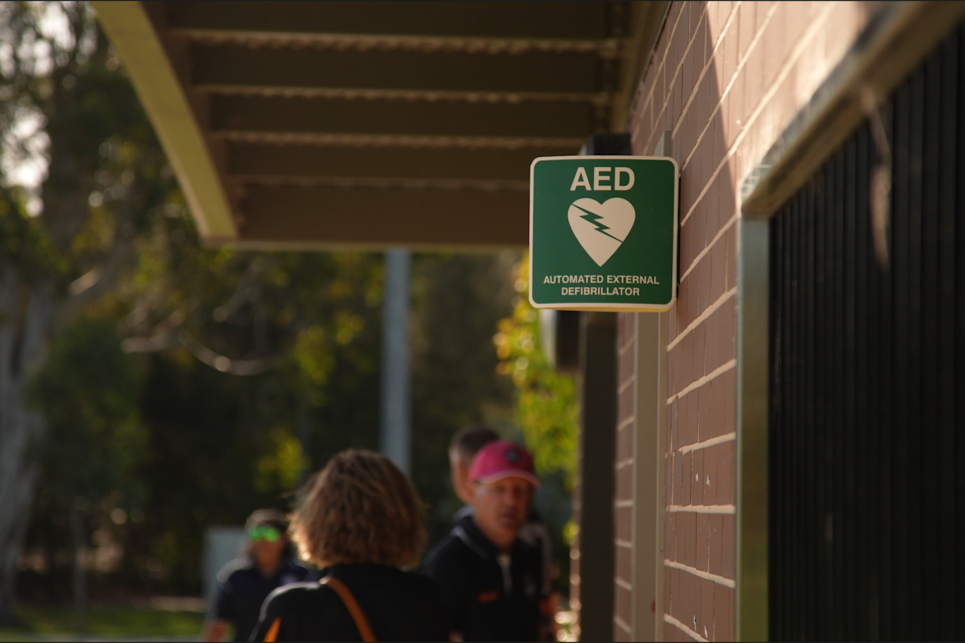
This commitment has taken a substantial leap forward through the Heartbeat of Sport AED Mapping Project, an initiative designed to locate, register, and map Automated External Defibrillators (AEDs) across NSW sports facilities. The goal: ensure that lifesaving equipment is accessible when every second counts.
Football associations across NSW have stepped up in full force – actively contacting clubs, encouraging AED registration, and helping build a comprehensive, statewide picture of AED availability.
A Strategic Mapping Effort Backed by State Investment
In support of greater community safety, the Minns Labor Government has provided funding to the Heartbeat of Football Foundation to conduct the first-ever research into AED placement across NSW sports grounds. The project identifies which facilities have AEDs, highlights locations that still need them, and guides future investment.
This initiative is reinforced by an expansion of the #HeartHealthMatters Program, bringing CPR and AED familiarisation training to sports organisations, particularly in regional areas.
The data collected from these efforts will be provided to NSW Ambulance and its GoodSAM team to further enhance the AED registry which already exists and is available to Ambulance and public First Responders. This in turn will also allow the NSW Health’s newly released public AED map to have more enriched data which would be crucial for emergency situations.
Football Associations Driving AED Registration Across the State
A critical element of the project’s success lies in the proactive involvement of football associations. By encouraging clubs to complete AED registration surveys, associations ensure AED locations are accurately mapped and readily accessible when needed. This frontline support not only strengthens the project but also reinforces a culture of safety across the football community.
Associations that have already provided AED data and played an active role include:
- Eastern Suburbs Football Association
- Manly Warringah Football Association
- Granville Football Association
- Southern Districts Soccer Football Association
- Nepean Football Association
- Northern Suburbs Football Association
- Football Canterbury
- Bankstown Football Association
- Hills Football Association
- Sutherland Shire Football Association
- North West Sydney Football
- Football South Coast
Their early involvement demonstrated strong sector leadership and a shared commitment to safeguarding participants at every level of the game.
Building Momentum: Thousands of AEDs Already Deployed
AED access across NSW has expanded significantly through the Local Sport Defibrillator Grant Program, which has funded more than 2,400 defibrillators for sports and recreation facilities. Grants of up to $3,000 help eligible organisations purchase and install these vital devices.
The importance of this equipment cannot be overstated. At Doyalson Wyee Football Club, a 70‑year‑old player survived a sudden on‑field cardiac arrest thanks to an on‑site AED. Examples like this underline why associations are so committed to ensuring every club not only has an AED – but also registers it.
United Effort Toward a Safer Football Future
The Heartbeat of Sport AED Mapping Project represents a major advancement in emergency preparedness for community sport. With strong support from football associations, clubs, and government, NSW is building one of Australia’s most comprehensive, life-saving AED networks.
By completing AED surveys, clubs contribute to:
- A complete and accurate AED map across NSW
- Stronger emergency planning and faster response times
- Improved access to funding for clubs still needing AEDs
- A safer environment for players, officials, and supporters
Thanks to the collaborative leadership of football associations and the Heartbeat of Football Foundation, the vision of an AED-equipped, emergency-ready sports community is rapidly becoming reality.